Welcome to our blog ! Here you will find news and updates about sports, politics, artists, and everything that is trending right now. Enjoy the content and stay up to date with the latest trends! Stay Informed with BoomViral News.

What to Know About the GOP-Backed Voting Bill Heading to the Senate Floor
Suraay
3/17/20262 min read
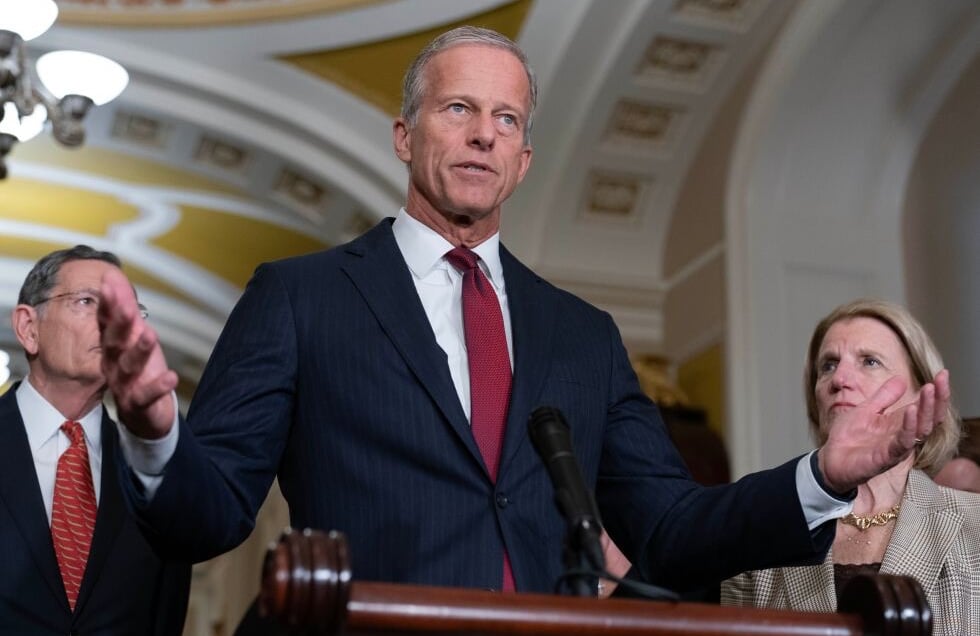
WASHINGTON — Legislation requiring proof of U.S. citizenship for new voters is gaining momentum among allies of President Donald Trump, who argues the measure is key to strengthening election security—and could play a major role in upcoming midterm elections.
The bill, which could be taken up by the Senate as early as this week, would require new voters to verify their citizenship when registering and present valid identification when casting a ballot. The proposal is part of a broader Republican effort to standardize election rules at the federal level and reinforce the integrity of the voting system.
While federal law already mandates that only U.S. citizens can vote in national elections, the new legislation would impose stricter requirements for proving that status.
Democrats are uniformly opposed and are expected to block the bill in the Senate. They argue the new rules could make it harder for millions of Americans to vote, particularly those who do not have easy access to documents like birth certificates or passports.
Despite the opposition, Trump has been urging Senate Republican leaders, including Majority Leader John Thune, to move forward with the legislation. He has also floated the idea of changing Senate rules to ensure its passage, although GOP leaders acknowledge they currently lack the votes needed.
Instead, Republicans are planning an extended floor debate, aiming to increase political pressure and highlight the importance of the issue.
Key Provisions of the Bill
Known as the SAVE America Act, the proposal would require new voters to prove their citizenship using documents such as a U.S. passport or birth certificate. In many cases, standard state-issued driver’s licenses would not be sufficient unless they meet specific federal standards that clearly indicate citizenship.
Most individuals would also need to present these documents in person when registering to vote—including those who typically vote by mail.
The bill also introduces stricter penalties for election officials who register voters without proper documentation and allows for legal action against officials in certain cases.
Expanded Voter ID Requirements
The legislation would require voter identification nationwide. Mail-in voters would need to submit copies of valid identification, though exemptions would apply for certain groups, such as military personnel overseas and some individuals with disabilities.
Supporters argue these requirements are a common-sense step to protect election integrity, similar to identification requirements used in everyday activities.
Federal Access to Voter Data
The bill would also require states to share voter registration data with the Department of Homeland Security (DHS) to verify citizenship status. Supporters say this would improve accuracy and prevent ineligible registrations.
Critics, however, warn that it would significantly expand federal access to voter information and could lead to improper removals from voter rolls.
Political Debate and Next Steps
Republicans are expected to introduce amendments during Senate debate. Trump has also pushed for additional provisions, including restrictions on mail-in voting and other policy measures.
If enacted, many of the new requirements would take effect immediately. Critics argue this could create logistical challenges for states and confusion for voters, especially with primary elections approaching.
Supporters, however, maintain that the legislation is necessary to restore public confidence in elections and ensure that only U.S. citizens participate in the voting process.