Welcome to our blog ! Here you will find news and updates about sports, politics, artists, and everything that is trending right now. Enjoy the content and stay up to date with the latest trends! Stay Informed with BoomViral News.

Supreme Court Leaves Lower Court Decision Intact in Carter Page Surveillance Case
Suraay
6/15/20262 min read
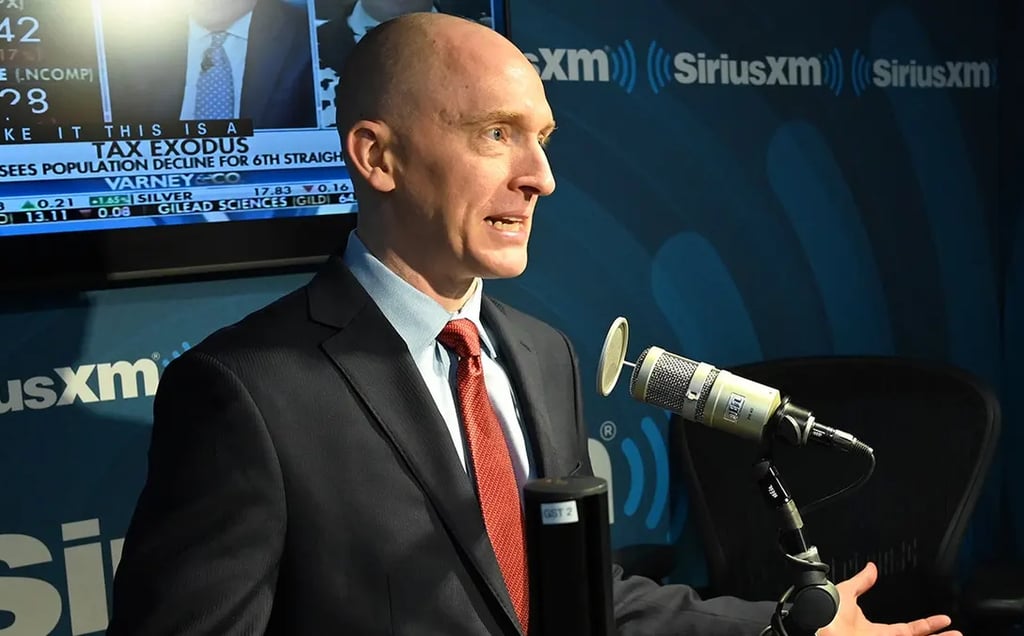

Supreme Court Declines to Revisit Carter Page Lawsuit Over FBI Surveillance During Russia Investigation
The U.S. Supreme Court on Monday declined to hear an appeal from former Trump campaign adviser Carter Page, bringing an end to his long-running legal effort to hold former FBI officials personally accountable for surveillance conducted during the investigation into alleged connections between Russia and Donald Trump's 2016 presidential campaign.
By declining to review the case, the nation's highest court allowed lower court rulings to remain in place, effectively ending Page's lawsuit against former FBI Director James Comey and other former government officials. Justice Ketanji Brown Jackson did not participate in the decision.
Page, who served as a foreign policy adviser during Trump's 2016 campaign, became a central figure in the FBI's Crossfire Hurricane investigation. Federal authorities obtained surveillance warrants through the Foreign Intelligence Surveillance Court in 2016 and 2017 as part of their inquiry into possible Russian influence operations.
Despite being the subject of extensive scrutiny, Page was never charged with a crime and has consistently denied any wrongdoing or ties to Russian intelligence.
The case drew national attention after a Department of Justice Inspector General report identified significant errors and omissions in the FBI's applications for surveillance warrants. The findings led to widespread criticism of the process and prompted substantial reforms within the FBI aimed at strengthening oversight and improving the accuracy of future surveillance requests.
Several former FBI and Justice Department officials later acknowledged that important information was not properly disclosed during the warrant application process and stated that the approvals might have been handled differently had all relevant facts been known at the time.
Seeking accountability, Page filed lawsuits alleging that the flawed surveillance applications violated his constitutional rights. However, federal courts dismissed many of his claims, concluding that legal standards for holding individual government officials personally liable had not been met.
Earlier this year, Page reached a $1.25 million settlement with the federal government related to claims arising from the surveillance. Nevertheless, he continued pursuing legal action against individual former officials in an effort to obtain additional accountability.
The Supreme Court offered no explanation for its decision not to hear the appeal, which is standard practice when the court declines review.
The ruling closes another chapter in the legal and political fallout stemming from the Crossfire Hurricane investigation, one of the most scrutinized federal investigations in recent U.S. political history. The controversy continues to be cited in debates over government surveillance powers, civil liberties, and the procedures used in national security investigations.