Welcome to our blog ! Here you will find news and updates about sports, politics, artists, and everything that is trending right now. Enjoy the content and stay up to date with the latest trends! Stay Informed with BoomViral News.

Senate Democratic Tax Agenda Faces Backlash Over Populist Approach and Debt Neglect
Suraay
3/17/20262 min read
House and Senate Democrats are once again rolling out sweeping tax proposals that promise major cuts for large segments of Americans — while claiming they can raise taxes on the wealthy, expand government benefits, and still keep the deficit in check.
Supporters frame these plans as a push for fairness, but in reality, they reflect the same kind of populist rhetoric Democrats have criticized for years — now repackaged in their own agenda. Instead of confronting the nation’s growing fiscal challenges, these proposals rely on unrealistic assumptions and avoid addressing the rapidly expanding national debt.
For decades, Democratic candidates have leaned on promises not to raise taxes on the middle class. From Barack Obama to Hillary Clinton, and more recently Joe Biden, the message has remained consistent: protect middle-income earners while shifting the burden elsewhere. Now, some lawmakers are going even further — proposing to eliminate federal income taxes for millions through massive increases in the standard deduction.
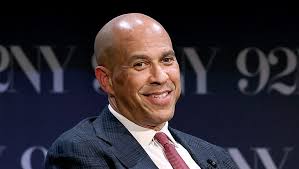
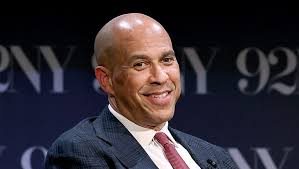
Senators like Chris Van Hollen and Cory Booker argue their plans would fix what they describe as a “rigged” system. But critics point out a fundamental flaw: millions of Americans already pay no federal income tax. Expanding tax breaks further does little to help those truly in need and instead delivers broader benefits to higher earners.
While these proposals are marketed as relief for working families, they risk becoming poorly targeted tax cuts that fail to address real economic pressures. Simply put, lowering taxes across the board without a serious plan to manage spending only deepens long-term fiscal problems.
Democrats argue the cost can be offset by taxing millionaires and billionaires. But the effectiveness of such strategies remains uncertain, and even if successful, it raises a larger question: should that revenue be used for broad tax cuts — or to tackle the nation’s mounting financial challenges?
The United States is already facing a serious fiscal reality. Government spending continues to outpace revenue, the national debt is climbing at an unsustainable rate, and rising interest payments are putting additional strain on the economy. Ignoring these issues while promising sweeping tax relief is not a responsible path forward.
If additional revenue is truly available, a stronger approach would be to stabilize the nation’s finances, reduce deficits, and invest in essential services that directly benefit working Americans — rather than offering blanket tax cuts that may miss the mark.
At a time when economic leadership matters more than ever, policymakers should prioritize realistic solutions over political talking points. Addressing debt, strengthening the economy, and ensuring government accountability should come before broad promises that sound appealing but fail to deliver lasting results.