Welcome to our blog ! Here you will find news and updates about sports, politics, artists, and everything that is trending right now. Enjoy the content and stay up to date with the latest trends! Stay Informed with BoomViral News.

Major U.S. Study Finds Vagus Nerve Stimulation Brings New Hope for Severe Depression
Suraay
7/5/20263 min read
Major Clinical Trial Suggests Vagus Nerve Stimulation Could Offer Lasting Relief for Severe Depression
Depression affects more than 300 million people worldwide, and while many patients find relief through medication, psychotherapy or a combination of treatments, others continue to struggle despite years of care.
Experts estimate that up to one-third of people living with depression experience treatment-resistant depression, a condition in which multiple standard therapies fail to provide meaningful improvement. Even when symptoms temporarily subside, some patients eventually relapse, creating an ongoing challenge for both patients and physicians.
Now, a large U.S. clinical trial is providing new evidence that vagus nerve stimulation (VNS) may offer long-term benefits for some individuals living with the most severe forms of treatment-resistant depression.
Researchers from Washington University School of Medicine in St. Louis reported the findings in the International Journal of Neuropsychopharmacology, describing encouraging improvements among participants who had battled severe depression for many years—often for decades.
"We're seeing people getting better and staying better," said lead researcher Dr. Charles Conway, a professor of psychiatry at Washington University.
How Vagus Nerve Stimulation Works
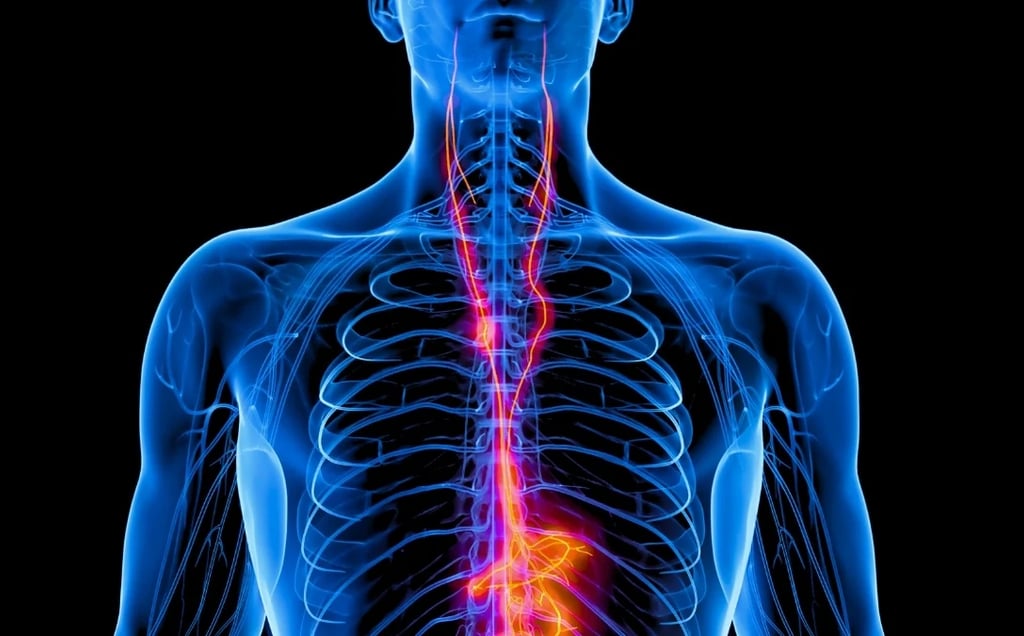
Vagus nerve stimulation involves implanting a small medical device beneath the skin of the chest, similar in size to a cardiac pacemaker.
The device is connected to the left vagus nerve in the neck through a thin wire and delivers gentle electrical pulses at regular intervals. The vagus nerve extends from the brainstem through the neck and chest into the abdomen, serving as a key communication pathway between the brain and several major organs, including the heart, lungs and digestive system.
Although researchers continue to study exactly how VNS improves depression, scientists believe the electrical stimulation influences brain circuits involved in mood regulation.
Results From the RECOVER Trial
The findings come from the RECOVER clinical trial, which enrolled 493 adults across the United States.
Every participant had previously undergone at least four unsuccessful treatments for their current depressive episode, with many having tried substantially more.
"On average, each patient had already tried 13 treatments without success before entering the study," Conway noted.
Participants had lived with depression for an average of 29 years, and nearly 75 percent were unable to work because of the severity of their illness.
During the first year of the trial, all participants received implanted VNS devices, but only half had the devices activated immediately, allowing researchers to compare outcomes with a control group.
Earlier analyses demonstrated promising improvements among those receiving active stimulation. The latest report focused on 214 patients who received continuous VNS from the beginning of the study and examined whether those improvements persisted into a second year.
Long-Term Improvements
The results were encouraging.
After 12 months, approximately 69 percent of participants experienced meaningful improvement in at least one measure of depression, quality of life or daily functioning.
Among those who responded during the first year, more than 80 percent maintained or further improved those benefits through the second year.
Patients who achieved at least a 50 percent reduction in depressive symptoms during the first year demonstrated particularly durable outcomes. About 92 percent continued to experience significant benefits after two years.
Researchers were especially encouraged to find that nearly 20 percent of participants were experiencing little or no measurable depressive symptoms by the end of the two-year follow-up.
"These long-lasting improvements are unusual in patients with severe treatment-resistant depression," Conway said.
Improvement May Take Time
One of the study's most notable findings involved participants who did not initially respond to treatment.
Roughly one-third of patients who showed little improvement during the first year experienced meaningful progress by the second year, suggesting that VNS may require more time to produce its full therapeutic effects in some individuals.
Researchers say these delayed responses highlight the importance of long-term follow-up when evaluating therapies for chronic depression.
More Research Still Needed
Although the results are promising, the researchers emphasize that VNS is not an immediate solution and does not work for everyone.
The study was funded by LivaNova, the manufacturer of the VNS device, a relationship that should be considered when interpreting the findings. Additional independent research will help further evaluate the therapy's long-term effectiveness.
The U.S. Food and Drug Administration (FDA) approved vagus nerve stimulation for treatment-resistant depression in 2005. However, the therapy is not currently covered by the Centers for Medicare & Medicaid Services (CMS), and the RECOVER trial was designed in part to provide additional evidence for future coverage decisions.
While scientists continue investigating exactly how VNS affects brain function, the latest findings suggest it could become an increasingly valuable treatment option for patients who have exhausted conventional therapies.
For individuals living with severe, long-term depression, these results offer cautious optimism that meaningful and lasting improvement may still be possible—even after many years of unsuccessful treatment.