Welcome to our blog ! Here you will find news and updates about sports, politics, artists, and everything that is trending right now. Enjoy the content and stay up to date with the latest trends! Stay Informed with BoomViral News.

Jake Tapper Laughs as Officer Gives Unexpected Response During Testimony
Suraay
3/21/20261 min read
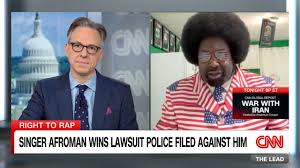
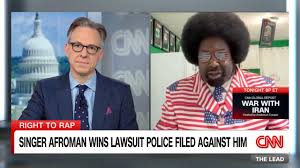
CNN anchor Jake Tapper couldn’t hold back his laughter during Thursday’s edition of The Lead after highlighting a bizarre courtroom moment involving an Ohio police officer.
The incident gained national attention after a jury ruled in favor of Afroman — best known for his early-2000s hit “Because I Got High” — in a defamation lawsuit filed by officers from the Adams County Sheriff’s Office. The case stemmed from a controversial 2022 raid on the rapper’s home.
Authorities had executed a search warrant alleging possible drug trafficking and kidnapping, but ultimately found no evidence to support those claims. In response, Afroman — whose real name is Joseph Foreman — turned the incident into creative content, releasing an album titled Lemon Pound Cake, featuring songs that mock the raid, including “The Police Raid” and “Why You Disconnecting My Video Camera?”.
During the trial, one of the officers argued that Afroman’s music and videos portrayed him in a false light — including a claim suggesting his wife was cheating on him with the rapper. The testimony took an unexpected turn when the officer was asked directly whether that claim was untrue.
His response: “I don’t know.”
When the attorney pressed further, asking if he truly didn’t know whether his wife had been unfaithful, the officer stood by his uncertainty — creating an awkward and widely shared courtroom moment.
After airing the clip, Tapper reacted with visible disbelief before breaking into laughter, highlighting the unusual nature of the exchange and the contrast between the seriousness of the case and the officer’s response.
Following the jury’s decision, Afroman joined the show and celebrated the outcome. “I feel great. I feel really good,” he said. “I’m happy that freedom of speech and common sense are still alive.”
The case has sparked broader conversations about the limits of satire, artistic expression, and the use of legal action by public officials — particularly when they become the subject of criticism or humor.